Educator Mobilities

E.L.E.V.A.T.E.
AI Tools for Language Teachers
Florence, Italy
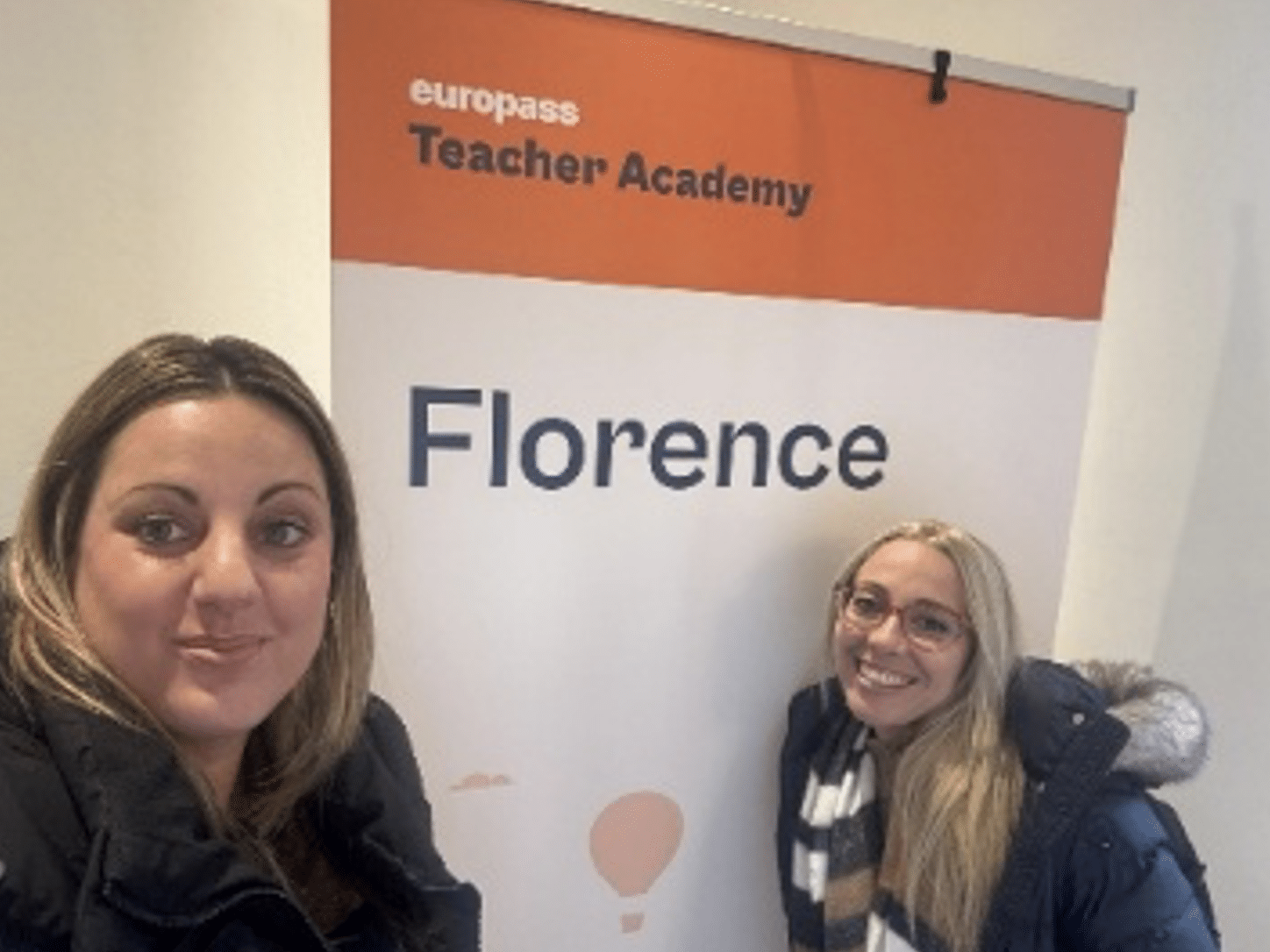
This November, two of our English teachers had the valuable opportunity to participate in an Erasmus training course in Florence entitled AI Tools for Language Teachers. The week-long programme offered a practical and engaging exploration of how artificial intelligence can support language teaching and learning in creative and effective ways.
Throughout the course, the teachers were introduced to a wide range of AI platforms designed to enhance student engagement and language development. A major focus was the use of chatbots, including tools such as Google Gemini and Mizou, a platform that allows educators to create customised chatbots based on real or imaginary figures. Using Mizou, teachers learned how to design chatbots that take on the voices of literary characters, historical figures, or fictional personas, giving students opportunities to practise language skills through structured, interactive conversations.
Another key element of the course was working with Notebook LM, which demonstrated how studying can be supported through a combination of audio summaries, visual explanations, and interactive notes. Teachers explored how AI-generated audio content, visual organisers, and multimedia resources can help students process information more effectively and support a variety of learning styles.
The course also included hands-on workshops focused on creative classroom applications. Teachers experimented with AI tools to generate songs, lyrics, and rhythmic patterns to reinforce vocabulary, grammar, and pronunciation. They also practised producing digital storybooks, short videos, and visual presentations that can be adapted to different learning contexts and student needs.
Reflecting on the experience, Tara noted: “I really enjoyed the practical nature of the course. It was useful to see how AI tools can be applied in everyday classroom situations, particularly for encouraging student interaction and developing language skills. It also gave me some ideas to build on in my own teaching practice.”
Raisa added: “The training was well structured and easy to engage with. I appreciated learning about tools like chatbots and Notebook LM, as they offer simple ways to vary lesson delivery and support student learning. It was a positive experience and a good opportunity for professional development.”
Overall, the Erasmus training strengthened the teachers’ confidence in using AI as a supportive resource in the classroom. They returned with practical ideas and strategies to share with colleagues and students, contributing to ongoing innovation in language teaching at our school.
– Raisa & Tara
Environmental Education: Learning and Acting for a Better Future
Tenerife, Spain
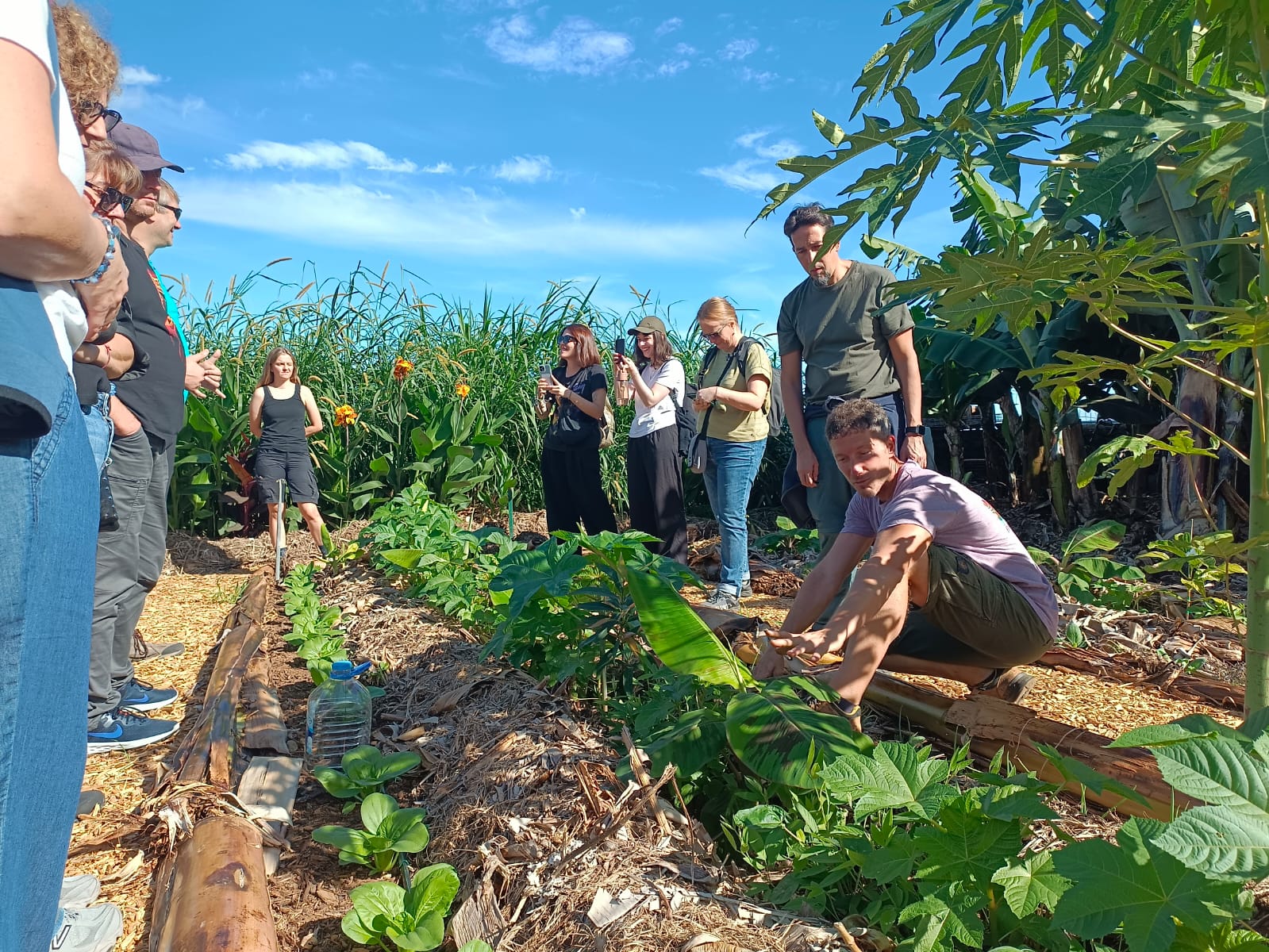
Last November I participated in an Erasmus+ teacher mobility programme in Tenerife, entitled Environmental Education: Learning and Acting for a Better Future. This experience aimed to deepen my understanding of sustainability, systems thinking, and outdoor learning, while exploring practical ways to engage students in environmental responsibility.
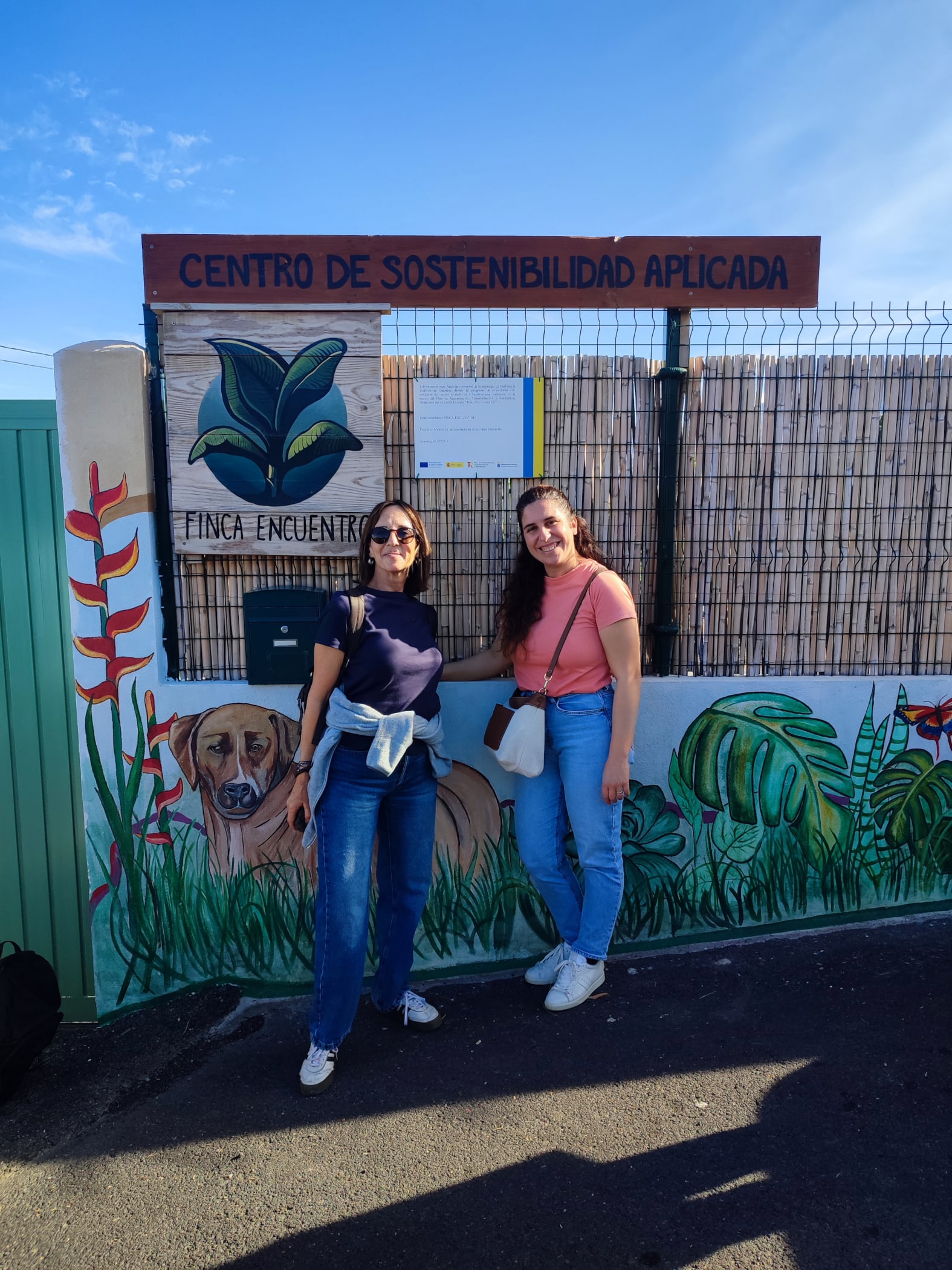
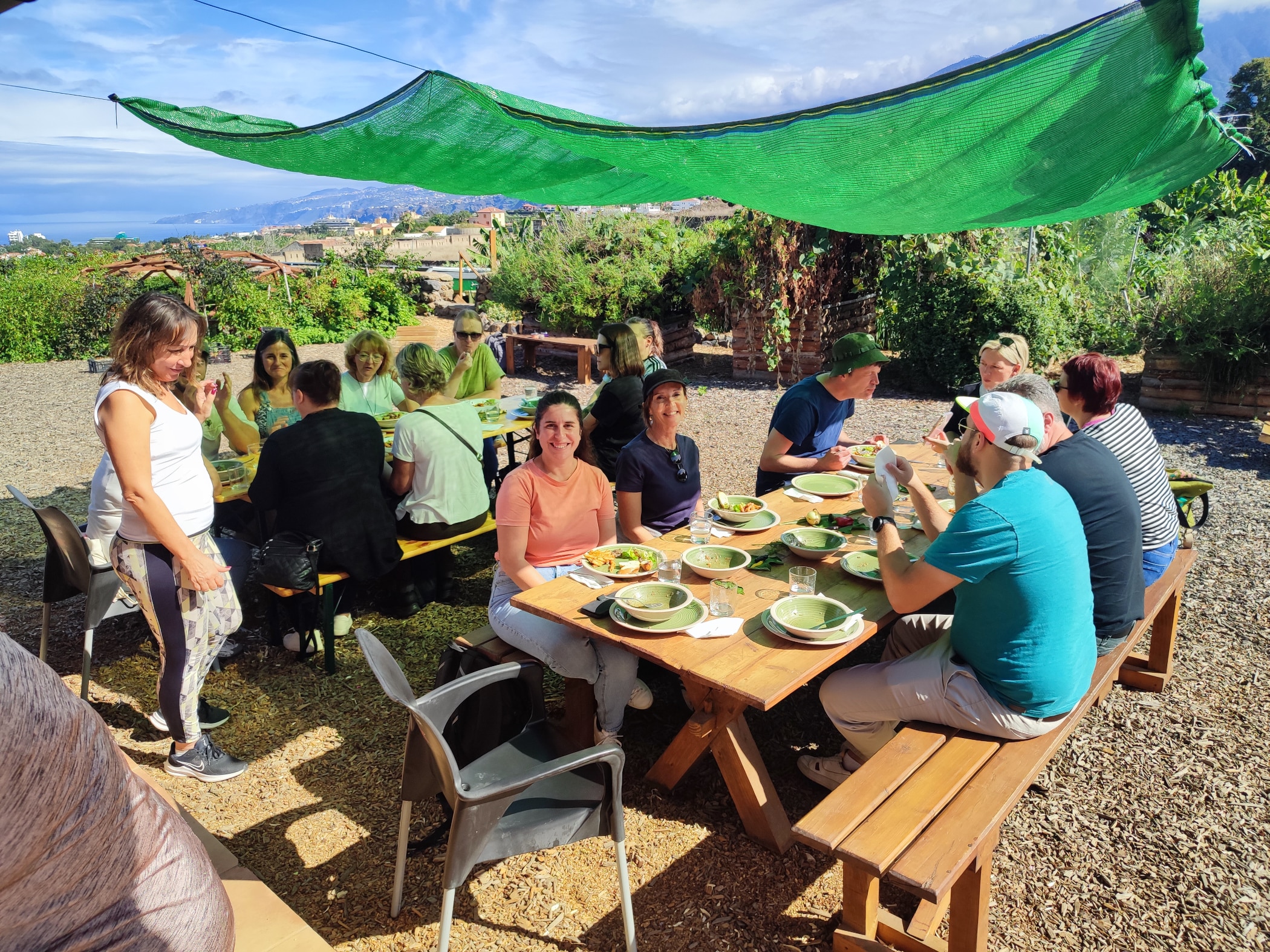
Throughout the programme, we took part in a range of hands-on activities. At Finca El Encuentro, a permaculture farm, we learned the importance of moving away from monoculture towards syntropic culture where plants and trees support one another. We also learnt how different plants and local volcanic rocks can be used to purify water rather than disposing dirty water into the ocean which harms both the environment and the economy.
In Agua García Forest, we learnt that to appreciate and protect nature we must feel part of it. At the forest we carried out STEM-based activities that encouraged observation, inquiry, and problem-solving. Mindfulness sessions and creative art activities inspired by Andy Goldsworthy helped reinforce respect for nature. The main rule to create such art is to use what you find and as you find it without breaking and destroying anything.
We also created soap using used cooking oil, a practical example of circular economy principles in action.
A strong emphasis on Systems Thinking helped me better understand the interconnectedness between human actions, natural systems, and long-term sustainability. This Erasmus experience was both professionally and personally enriching, and I return with renewed motivation and practical ideas to inspire students to become active, responsible citizens for a better future.
– Michelle Camilleri
My first visit to Tenerife through the Erasmus programme was an exciting and enriching experience. Upon arrival, I met participants from diverse backgrounds and exchanged ideas on sustainability and education.The course highlighted the urgent need to move from a linear economy to a circular one, where resources are reused and waste is reduced.
One of the most inspiring experiences was the visit to Finca el Encuentro, a permaculture farm. It was fascinating to see how abandoned land had been transformed into a sustainable ecosystem working in harmony with nature. The greenhouse, built entirely from reused materials, was particularly impressive, serving both as a food-growing space and a centre for learning and community engagement.
The visit to the Agua García forest was truly magical. Walking in silence and being mindful of the fresh scents of nature created a deep sense of peace and connection. We also took part in STEM-based activities, which demonstrated how natural environments can be powerful learning spaces.
Throughout the course, we explored the Head, Heart, Hands philosophy, inspired by John Dewey’s principles of experiential education. This approach emphasises learning through thinking, emotional engagement, and practical action.
Overall, this enriching experience equipped me with practical ideas and tools that I can implement with students to encourage greater environmental awareness, responsibility, and active citizenship. It also reminded me of the importance of reconnecting with nature and promoting meaningful, hands-on learning experiences beyond digital screens.
– Tess Borg
AI Ethics and Bias: Diversity Inclusion and Representation in AI Tools
Budapest, Hungary

My name is Ms. Leanne Bailey, and I have been working as a Learning Support Educator for the past 16 years. This was my first time applying for an Erasmus training mobility programme, and I am truly grateful for being given the opportunity to participate in it. The exchange proved to be an enriching journey from beginning to end, fostering both professional development and personal growth. It encouraged me to step outside my comfort zone, remain open to learning new things, and reflect on how new knowledge can be meaningfully applied within the educational setting.
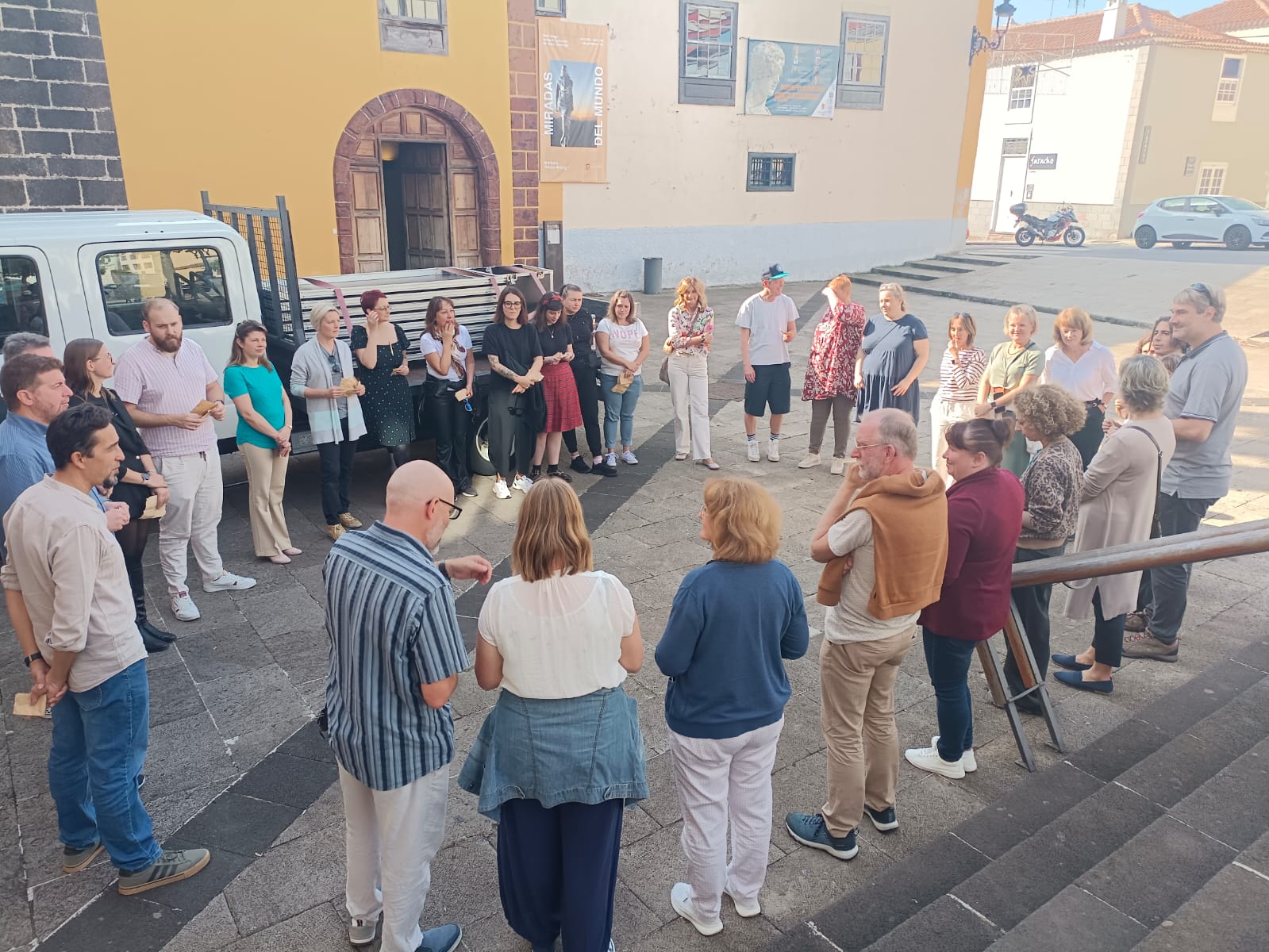
I attended the course “AI Ethics and Bias: Diversity, Inclusion and Representation of AI Tools” at the Converzum Training Centre in Budapest, Hungary from 30th November to 6th December 2025. The course offered a thorough introduction to Artificial Intelligence, explaining how AI functions and how it can be used responsibly in education. I gained valuable knowledge in advanced prompting techniques designed to stimulate student creativity rather than replace student effort. Additionally, the training provided guidance on selecting appropriate AI models for different educational needs, using AI as an effective assistant in content creation, and integrating a variety of AI tools and applications within the learning environment to better support students. The training strongly emphasised ethical considerations, the limitations of AI, and the importance of fostering inclusive learning environments. It highlighted how AI can support learners with diverse needs when implemented thoughtfully and responsibly.
Furthermore, collaborating with educators from different countries broadened my perspective and inspired me through the exchange of diverse teaching practices. This Erasmus exchange made me feel part of a wider European educational community and left a lasting professional impact. I highly recommend this experience to other educators and strongly encourage them to apply.
– Leanne Bailey
I am very grateful for the opportunity to attend the course on AI ethics and bias, which was held in Budapest. This interesting course provided me with a rich, practical overview of how AI is influencing education and of the responsibilities involved in using these tools. György Ronkay, the tutor,
addressed key themes such as bias, fairness, data privacy, accuracy, and the risks of depending too much on technology. This course made me realise the significance of critical thinking when using AI, as tools can sway learning if not handled carefully.
Together, we explored many AI platforms and compared their strengths, limitations, and ethical implications. Hands-on sessions helped me understand how AI can support lesson planning, differentiation, accessibility, and student engagement. We also examined risks such as misinformation, loss of independent thinking, and emotional attachment to AI, especially among young people. These discussions were enlightening and highly relevant to inclusive education.
The course strengthened my confidence in using AI responsibly and showed me how these tools can enhance, rather than replace, thoughtful teaching practices. This experience was both engaging and inspiring. This will directly impact my daily work and my ability to guide students in using AI critically and ethically.
– Yana Camilleri Ostler


STEM Education: Basic ICT tools and Apps
Prague, Czechia

During the final week of term, a colleague and I travelled to Prague to participate in an Erasmus+ course titled ‘AI and Digital Tools in STEM Education.’ Led by Lukas Kosowski of the Vice-Versa Academy, the program provided a comprehensive deep dive into generative AI. We moved beyond theory to master prompt engineering and learned to strategically select the best AI engines for specific educational goals.
The curriculum offered valuable hands-on exposure to a diverse suite of digital tools, including Canva, NotebookLM, EdCafe, Prezi, Suno, and many more. A highlight of the week was applying these technologies to our existing lesson plans; and successfully generated high-quality resources designed to boost student engagement, motivation, and active participation in the classroom.
A significant portion of the training also focused on 1-to-1 device integration. Since all our students between Grade 4 and Grade 9 are now equipped with tablets, we explored practical ways to make these devices central to interactive learning. This experience has been truly transformative; I return to my school with a revitalized digital toolkit and the confidence to lead my students into a more innovative, tech-driven future in STEM.
– Mikela Attard Previ
During the last week of the first term I had the oppurtunity together with another colleague to participate in an Erasmus+ course in Prague. We went into this course expecting a standard tutorial on the most popular AI tools, but we were met with a refreshing, contrary perspective that challenged the mainstream hype. We were pleasantly surprised by the instructor’s willingness to go against the grain. This course offered a refreshing, contrary take : it highlighted why some chatbots are often ‘not recommended’ due to its privacy trade-offs and data-sharing concerns.
We had previously dismissed Claude as too ‘boring’ and structured, but the course reframed it as the most sophisticated, option for those of us needing academic rigor.
The course also moved beyond by integrating Canva to turn AI-generated riddles into separate posters. Learning to edit settings and generate public view links that allowed us to create a shareable, professional product.
So by the end of the sessions, our favorites shifted entirely. We stopped defaulting to the most popular tools and moved toward Gemini for its sheer power and Perplexity for its academic integrity. If you want a critical, honest, and at times ‘contrary’ map of the AI world and you want to understand why Gemini and Claude are current favorites and how to actually use them to build complex, multi-layered projects this is the course for you.
– Marie Darmanin


AI and the 6 C's for Future Ready Teaching
Ljubljiana, Slovenia

We are two educators from St. Dorothy’s Senior School Zebbug, Chantal Bondin and Jessica Cutajar and have just attended a training course named “AI and the 6Cs for Future-Ready Teaching”. The course was held in Ljubljana, Slovenia between the 12th and 16th of January 2026. This was a training programme that encourages educators to integrate Artificial Intelligence with essential 21st-century skills; the 6C’s, which are creativity, critical thinking, communication, collaboration, character and citizenship. Throughout the program, we explored how these core skills are interconnected and how they can be effectively applied in the classroom to prepare students for the future.
The course comprised of a range of interactive workshops and collaborative sessions that explored how AI can boost student engagement and personalise learning experiences. It also exposed various issues across the participants’ schools, encouraging educators to help students evaluate critically the digital content they encounter.
The daily course schedule was split into two parts, where half of the day was dedicated to exploring one or two of the 6C’s, through the use of discussions and group work. The second half of the day focused on learning to use different AI platforms such as HeyGen, Deepseek, Invideo, Grok and Magic School amongst others. We also discussed and experimented with ways on how to link these AI platforms with the 6C’s.
A big highlight of the course was that it brought together educators from different European countries, with insightful discussions, sharing of good practices and varied backgrounds adding significant depth to the learning experience.
This was my first Erasmus experience and I can say that the week was extremely enriching and truly eye-opening. I was introduced to a range of AI platforms, but HeyGen stood out for me in particular, as it enables the creation of videos simply by using a text prompt or uploading an image. As an educator, I see this as a highly useful tool, as it allows lessons to be more varied and enables the creation of video content that is better tailored to my classes.
– Chantal Bondin
Overall this course was an excellent educational experience where I could learn and share ideas with others. One particular AI platform that stood out to me from all the tools that we used is called Gamma. This platform allows you to quickly create a presentation by simply uploading some text or a file containing information. Once the presentation is ready, you are free to edit it if there are any changes required, and you can easily download it as a PDF or PPTX file for future use. –
– Jessica Cutajar


Designing Inclusive Learning Environments to Support all Students
Split, Croatia

My very first Erasmus+ training experience in Split, Croatia was a very positive one, enriched by the opportunity to learn from educators coming from Croatia and Romania. Their systems, strategies, and classroom realities offered valuable perspectives that broadened my understanding of inclusive education. Throughout the training, we explored the difference between the medical and social models and how both can be combined through UDL. We discussed the wide range of abilities and difficulties present in classrooms and examined practical ways to support students. The course also introduced several AI tools, such as Mizou, SchoolAI, MagicSchool AI, Conker AI and Suno, which can enhance inclusion and reduce isolation.
A strong emphasis was placed on effective communication with parents, including the use of the sandwich technique, as well as strategies for managing educator stress. We reflected on the four teaching styles and how to grow towards more effective practice. Other sessions focused on dyslexia‑friendly fonts, communication strategies, active listening, the “LAFF don’t CRY” approach, and the importance of setting healthy boundaries with colleagues, parents, and students.
I highly recommend that other educators apply for an Erasmus+ training. The insights gained motivate you to try new strategies, and the learning that comes from international participants is truly immeasurable.
– Beverley Azzopardi
In my role as a Learning Support Educator at St. Dorothy’s Senior School, I found the content highly relevant to everyday classroom practice. The sessions clearly explained the difference between the Medical and Social Models of disability, while also offering insight into the various difficulties and barriers commonly encountered in classrooms, promoting a more inclusive approach to learning.
The course also encouraged reflection on different teaching styles, including authoritative, permissive, indifferent, and authoritarian approaches, helping participants better understand their impact on student behaviour and learning. I particularly enjoyed learning about inclusive strategies such as positive reinforcement, active listening, effective communication, and the “LAFF” don’t “CRY” approach, all of which promote respect and empathy in the classroom. The use of AI tools like MagicSchool, SchoolAI, and SUNO, along with guidance on dyslexia-friendly fonts, provided practical ways to support learners of all abilities.
Beyond the academic content, I greatly valued learning about the Croatian and Romanian educational systems, discovering the history and culture of Split, and building meaningful connections with colleagues. Working alongside my Maltese colleague Beverley made the experience even more rewarding. Overall, this course successfully combined professional learning with cultural exchange, making it both memorable and impactful.
– Martina Borg Bonanno